
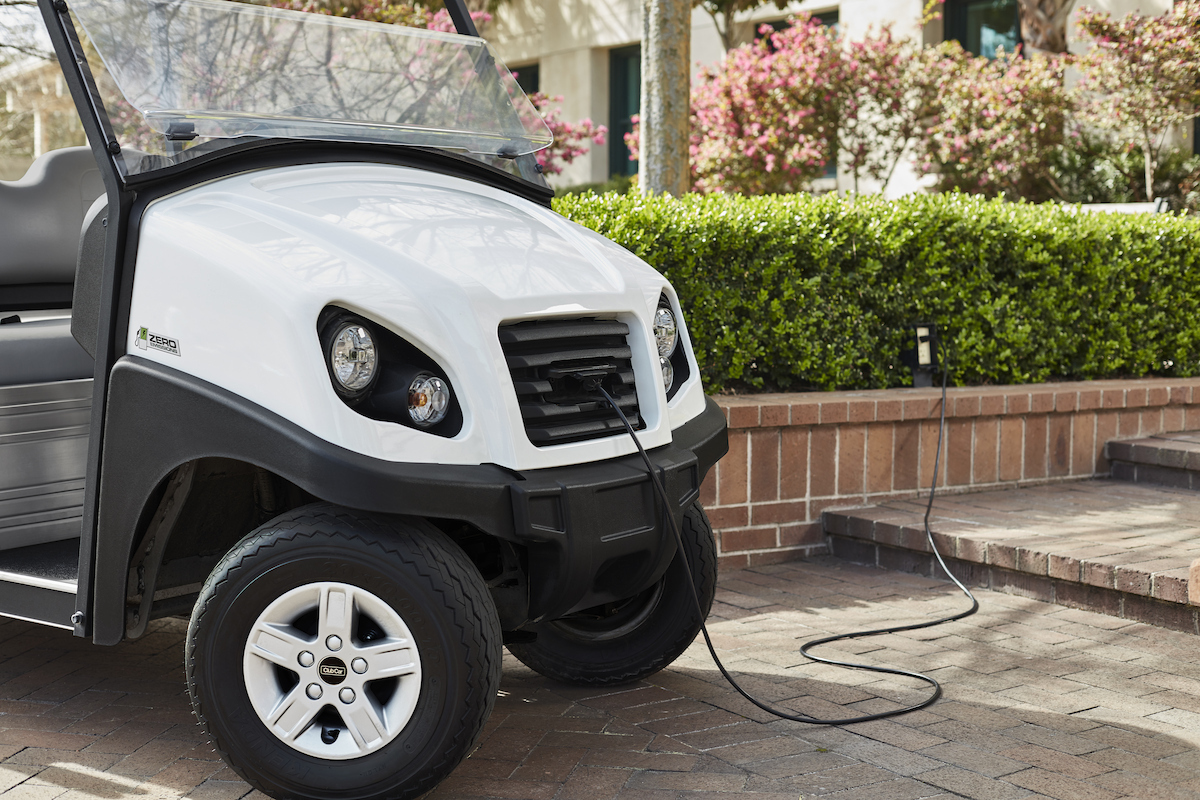
Your cart used to make it through a full day without slowing down. Now it drags by mid-afternoon, or it won’t hold a charge overnight. If you’re asking whether it’s time for golf cart battery replacement, you’re not alone. It’s one of the most common questions our Louisville and Calvert City teams hear. There are clear signs to watch for, and a straightforward path back to full power, whether your cart runs Club Car or Yamaha, gas or electric.
|
The Short Answer: Most golf cart batteries last four to six years with regular use and proper charging. Warning signs include shorter run time, sluggish acceleration on hills, and a charge that drains faster than it used to. If your cart shows two or more of these signs, schedule a battery evaluation before it leaves you stranded. |
Signs Your Golf Cart Battery Is Dying
A battery rarely fails all at once. It fades, and the fade shows up in a few predictable ways. Here’s what to watch for:
- Your cart used to run all day. Now it needs a mid-day charge.
- It’s slower up hills or across gravel than it used to be.
- The charge indicator drops fast, even after a full overnight charge.
- The cart hesitates or stutters when you accelerate.
- You can see corrosion or swelling on the battery terminals or case.
One of these on its own might just mean a charging habit needs adjusting. Two or more together usually means the battery pack itself is wearing out. Either way, a technician can test the pack in a few minutes and tell you exactly where it stands.
How Long Do Golf Cart Batteries Actually Last?
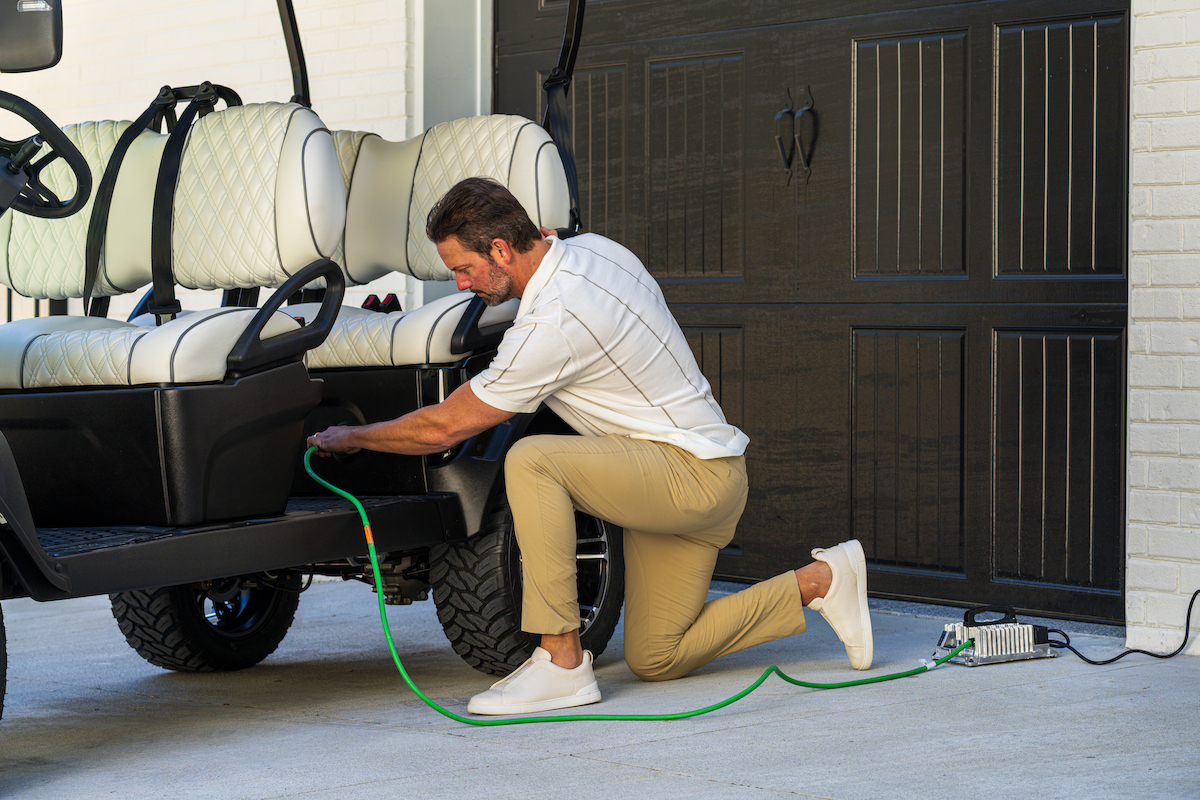
Golf cart battery lifespan depends less on the calendar and more on how the cart gets used and charged. A handful of factors drive the range:
- How often the cart runs, and how deep the batteries get discharged before recharging
- Charging habits: topping off after every use beats letting the pack sit dead
- Kentucky summers and winters, since heat and cold both stress a battery pack
- Routine maintenance, like keeping terminals clean and water levels correct on lead-acid packs
A cart that’s charged properly and used consistently will land toward the longer end of that range. A cart left to sit, over- or under-charged, or exposed to extreme temperatures without any protection will wear out sooner. If you’re not sure where your cart stands, that’s exactly what a battery evaluation is for.
Battery University, an independent battery-education resource, has a detailed breakdown of what shortens or extends lead-acid battery life, if you want to go deeper on the charging science.
 Lead-Acid or Lithium: What Changes When You Replace
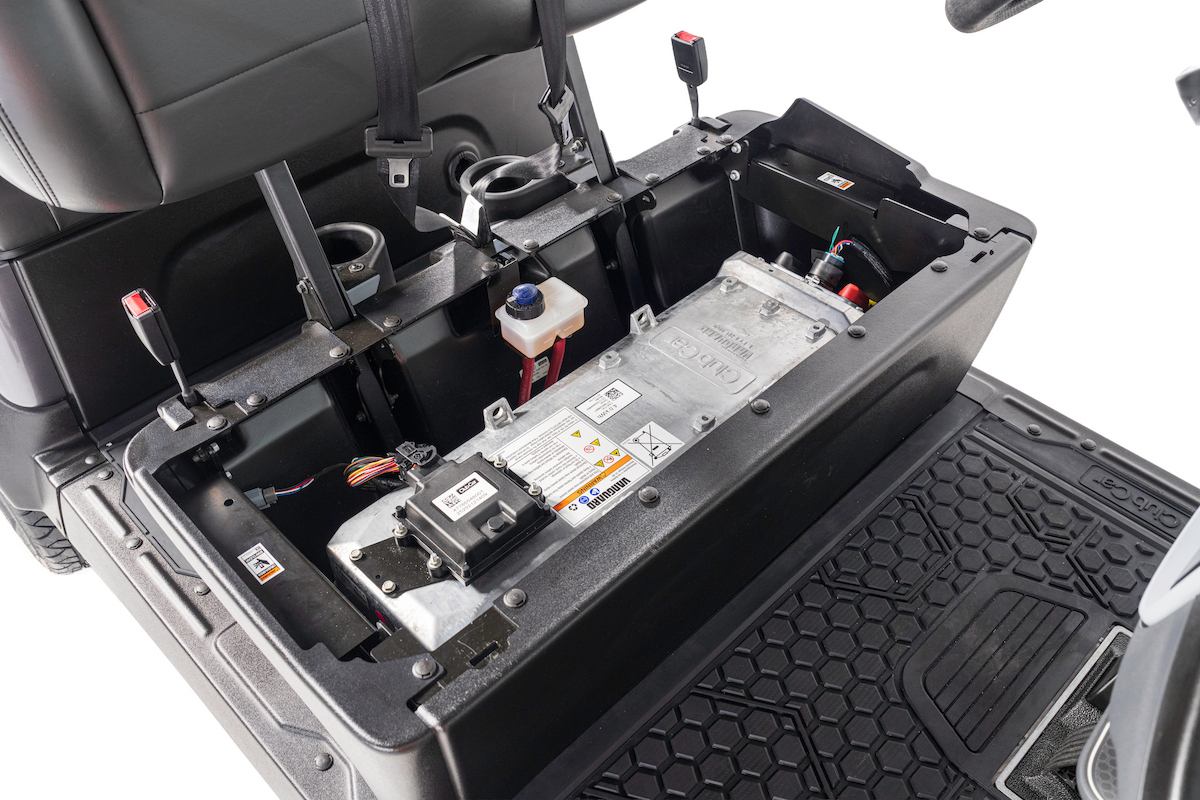
When a battery pack needs replacing, you have a real choice to make: replace it with the same lead-acid setup, or move to lithium. Both are solid options, and neither one is the wrong answer. For a full side-by-side, see our Lithium vs. Lead-Acid Batteries guide. Lead-acid is proven and familiar, and plenty of owners are perfectly happy sticking with it. Lithium tends to hold a charge longer between fills, weighs less, and needs less routine upkeep, which some owners find worth the difference. If you’re curious how lithium works under the hood, the U.S. Department of Energy has a plain-language explanation of the chemistry behind it.
If you’re already replacing batteries, it’s a natural point to at least ask the question. Cunningham offers a Lithium Repower Evaluation to walk through what a switch would actually look like for your specific cart and how you use it, no pressure either direction.
What Affects the Cost of Battery Replacement
A few things move the price of a battery replacement job. Rather than quote a number that won’t hold up cart to cart, here’s what actually drives the cost:
- Battery chemistry: lead-acid and lithium are priced differently
- How many batteries the pack requires, which varies by cart model
- Labor for removal, installation, and a full system check
- Any related repairs the evaluation turns up, like a worn charger or corroded cabling
The most reliable way to get an accurate number is a battery evaluation. A technician looks at your specific cart and gives you a real quote, not a guess.
Old batteries don’t just get thrown out. Lead-acid batteries are recycled at one of the highest rates of any consumer product in the country, according to the EPA, and our team handles that disposal properly as part of every replacement.
Yamaha and Club Car: What to Know Before You Replace
Cunningham is a factory-authorized dealer for both Yamaha and Club Car, and our technicians are trained on both. That matters at replacement time, because the battery pack has to match the cart’s electrical system correctly. The wrong pack, or a pack sized wrong for your specific model, can shorten the life of the new batteries or strain the charging system.
Whether your cart is a Yamaha or a Club Car, gas or electric, our team can evaluate it, recommend the right replacement, and install it correctly the first time.
Frequently Asked Questions
How long do golf cart batteries typically last?
Most golf cart batteries last four to six years with regular use, proper charging, and routine maintenance. Carts that are charged after every use and kept out of extreme temperatures tend to land on the longer end of that range.
How do I know it’s time to replace my golf cart batteries?
Watch for shorter run time, slower acceleration on hills, a charge that drains faster than it used to, or hesitation when you accelerate. If you notice two or more of these signs, it’s time for a battery evaluation.
Is it worth upgrading to lithium when replacing batteries?
It depends on how you use your cart. Lithium tends to hold a charge longer and needs less upkeep, while lead-acid is proven and familiar. A Lithium Repower Evaluation can help you decide based on your specific cart and habits.
What affects the cost of golf cart battery replacement?
Cost depends on battery chemistry, how many batteries your cart’s pack requires, labor, and whether the evaluation turns up any related repairs. A technician can give you an accurate quote after looking at your cart.
Can I replace just one battery instead of the whole pack?
Usually not recommended. Golf cart battery packs work as a matched set, and mixing an old battery with new ones tends to drag down the whole pack’s performance and shorten its life. A technician can confirm what’s right for your cart.
Do Yamaha and Club Car batteries need different service?
The batteries themselves are similar, but the pack has to match each cart’s electrical system correctly. Our technicians are factory-authorized on both Yamaha and Club Car, so your cart gets the right pack and the right install either way.
Conclusion
A tired battery doesn’t have to mean a stranded cart. If you’re noticing shorter range, slower hills, or a charge that doesn’t last, schedule a battery evaluation at our Louisville or Calvert City location. And if you’re curious whether lithium makes sense for your cart, ask about our Lithium Repower Evaluation while you’re at it.

